My favourite Pixies albums are Bossanova and Trompe le Monde, hehe. They have something the others lack - that space-surf-metal sound.
2 Likes
Same here. It seems churlish to say that when I saw them live, I was disappointed it was Doolittle they were doing in whole, but I was 
-Wade
2 Likes
I saw them at this concert: https://www.concertarchives.org/concerts/throwing-muses-with-pixies-at-paradise-rock-club-march-27-1987
(Before Come On Pilgrim)
Funny thing is I don’t like the Pixies that much.
2 Likes
My friend threw Gouge Away on a mix tape once and that was my introduction to The Pixies. I love that song because of the timing… I think. I’m not a practised musician so if there is someone here that would listen to this song and tell me their thoughts on the timing. It’s like 4/4 with 5 bars or something. I tried to analyze it once, but my primitive rock n’ roll mind can’t compute it. I just know, “Guitar good! Me like drums!”
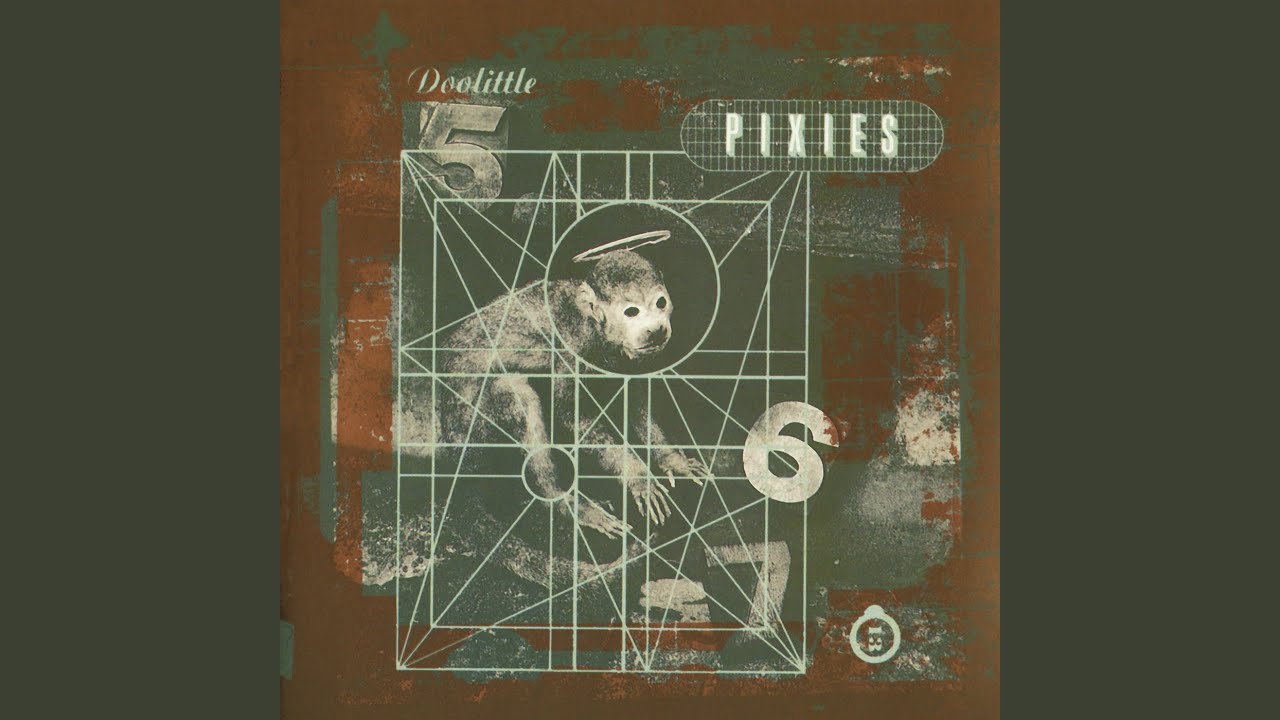
The Pixies - Gouge Away
3 Likes
Yeah! The timing is one of the most distinct parts of Frank Black’s songwriting in the Pixies. I think using the power of the number 3 (e.g. Crackity Jones chorus, Wave of Mutilation chorus) instead of 4 is the strongest trait, occasionally 5 (Gouge Away).
Grouping things in 3s is uncommon in rock and pop now. Pixies songs are as short as early pop and rock songs – only two songs on Doolittle are over 3 minutes – and repeating units after 3 rounds of something instead of 4 makes them race with anxious excitement, like the song’s way too impatient to wait to count to 4.
The units that are repeating aren’t entirely discrete either, so they usually have a circular, continuous feel. It’s not like a waltz where you feel the thump on every 3rd hit and you’re back to the start again. The riffs are looping after 3, but the drums continue in 2s and 4s underneath, so you keep the rock propulsion, but following the note patterns which fall differently across the rhythm on every second round is more stimulating in a world where you’re surrounded by 4/4 stuff landing the same way every round.
I also think there’s also some serialism in The Pixies. At a fundament level, serialism is not reusing notes, or delaying reusing them. The longer you keep playing notes without reusing one, the less predictable things are going to feel, as our relation to chords and scales is based on enough notes happening that we notice certain common relationships amongst them.
If we look at Velouria, my favourite Pixies song, the core note progression goes 6 evenly long notes before reusing any note on the piano. (Note - This is exactly the same situation as Nirvana’s Lithium, which is my favourite rock song.) And both these are also chromatic riffs, which for non-musicians, I would broadly describe as using the black keys on the piano as well as the white keys.
Serialism and chromaticism together give transient feelings of not belonging to any key. If it sounds like it sits in one scale, a note later it feels like it could be in that one or another, or has gone from major to minor. A basic feeling while it’s happening that you can’t quite follow the trajectory. You can’t predict the next note. I guess what’s magic about music is that even though these notes are burned in my skull (they repeat every 8 notes!) I still get that particular feeling I described after listening to them 1000 times.
Even the song of my own on Spotify that I linked in this thread – if you listen to the preview and listen to the bass note progression, I’m doing the same thing, because I like this particular effect so much.
Back on the 3s and 5s, also in Velouria… the second half of each verse is a grouping of 6. Or two times 3 And in this track, it gives the feeling of crashing back to the first note early, again, as if impatient.
-Wade
6 Likes
PS - I just went to the piano and checked, and realised Velouria reuses a note after 4 notes, not 6. Which was a surprise to me! But the serial feel is still there across the 10 note progression.
-Wade
1 Like
If you like timing that is hard to count, try these two songs.
Rapunzel is … Well, it’s clear what the time signature is (to me). But counting it is hard…
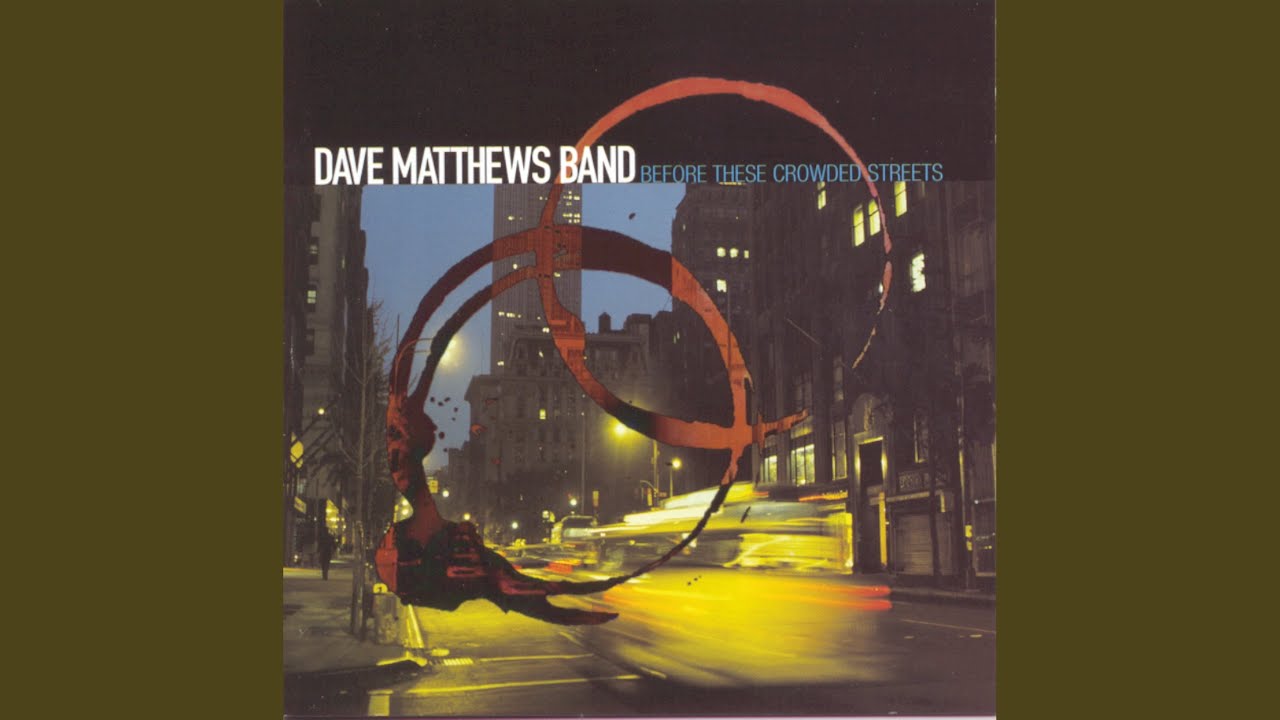
2+2=5 changes every time they change the mood. It’s pretty weird.

4 Likes
Heh. I find it really funny that in the “Links” section of this thread, two of the most popular ones are totally unrelated…

3 Likes
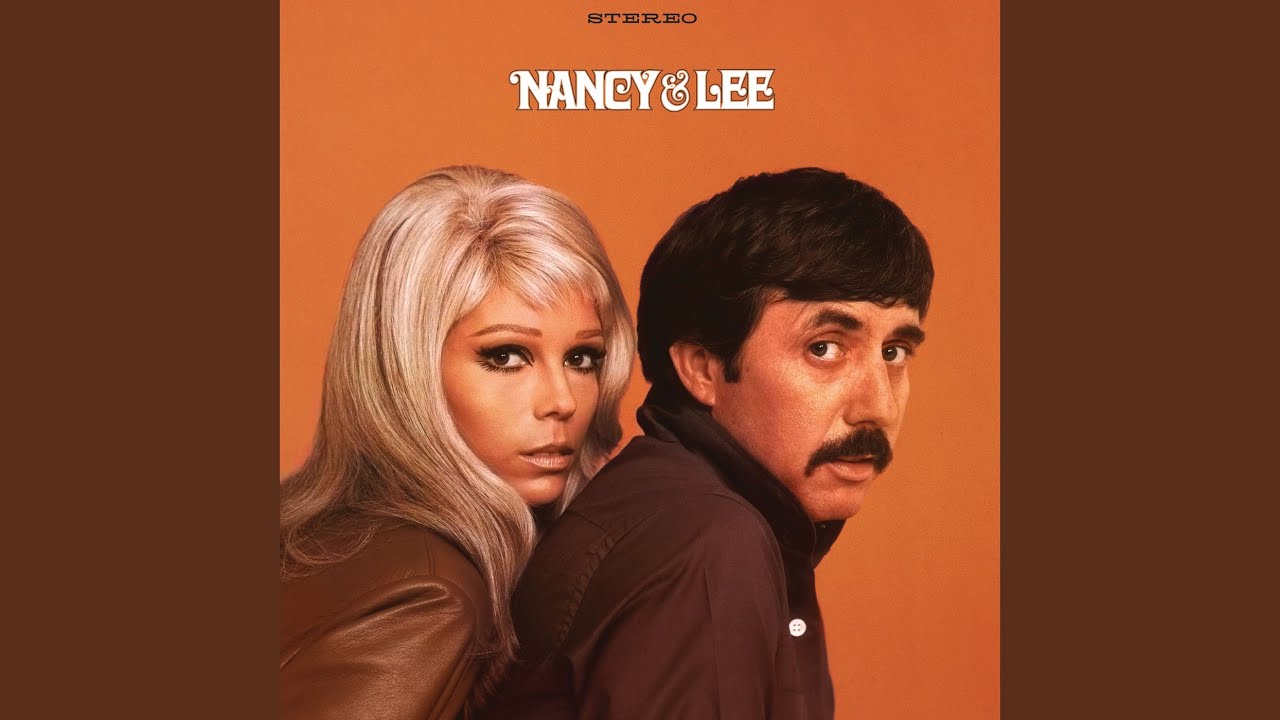
Radiohead are probably not often compared to Nancy Sinatra, but this is like this classic (with major talent, Lee Hazlewood) that switches between 4/4 for the verses and 3/4 for the choruses.

5 Likes
4/4 then 3/4 for chorus feels like a very clever way to shake a song up! I can only think of two Radiohead songs with that: Permanent Daylight and Faust Arp. I assume Nancy Sinatra is related to Frank Sinatra? I don’t know his voice very well but was that voice his?
… God, I’ve really got to give Radiohead a break, haven’t I? 
3 Likes
It’s neat Radiohead did it too. Nancy Sinatra is Frank’s daughter, who had a musical career in her own right (e.g. These Boots Were Made For Walking). The guy singing the other parts are Lee Hazlewood, they had a productive musical partnership in the 60s. Their best songs have a haunting quality to them, like:
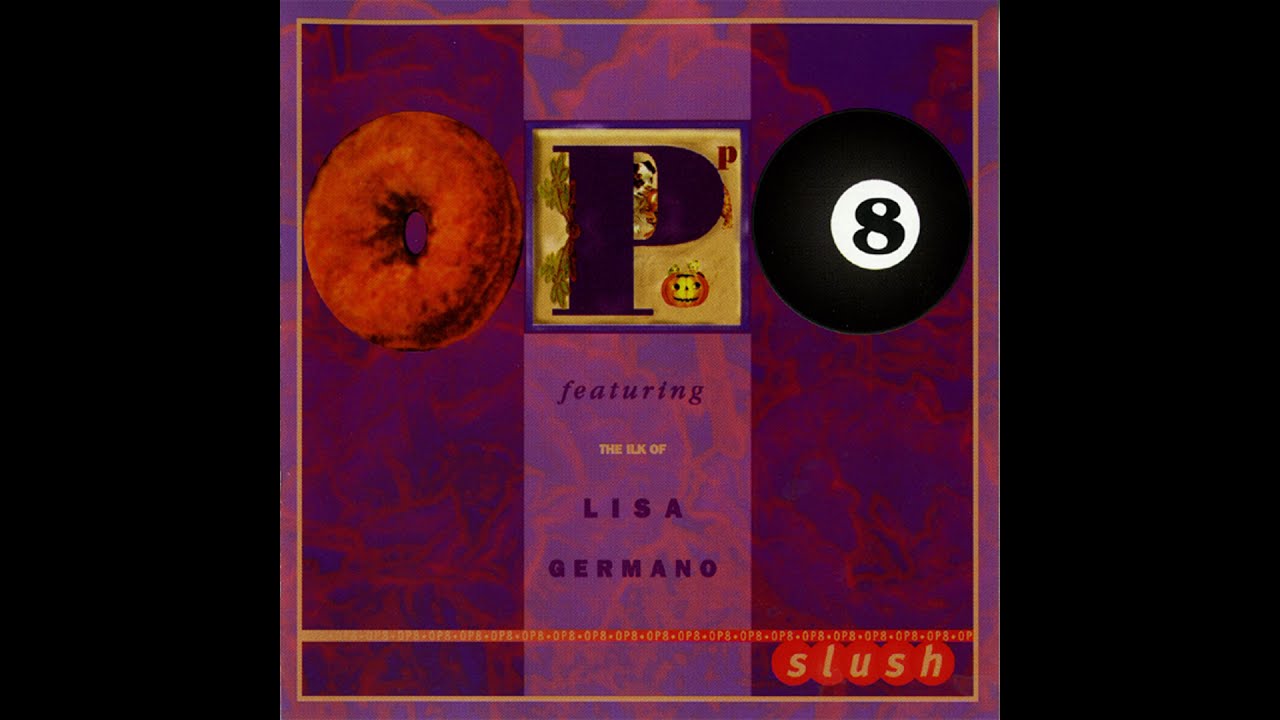
Many of their songs have been covered. Eg. as by this unsuccessful 90s alternative rock band, OP8:
2 Likes
I posted a YouTube link to Why Does It Hurt When I Pee? by Frank Zappa awhile back here.
The popularity was probably due to the controversy of the album cover. Great rock song though. 
Speaking of timing, I’m reminded of the excellent Solsbury Hill song. If you listen to the singing part, it creates an interesting overlap/urgency feeling. I’m pretty sure it’s 7/8.

Peter Gabriel - Solsbury Hill
3 Likes
@Joey
I’m a sucker for older music that feels a bit haunting to hear. Could just be the way it’s recorded and how the vocals sound like they could echo, but they don’t. Anyway, Summer Wine made me think of Corn Wine from A Mighty Wind. Yeah, my brain goes to weird places.

The Folksmen - Corn Wine
…and who can forget…

The New Main Street Singers - The Good Book
1 Like
The only “Some Velvet Morning” cover I really like is Slowdive’s.
1 Like
With the talk of unusual time signatures, it’s got me wondering, not for the first time, if there is any music out there that dispenses with the powers of a half convention for note durations… Say, something built around a drumline that divides each bar into 3 equal kicks, 6 equal snares, and 9 equal high-hats or a 3-5-7 pattern instead of the traditional 2-4-8 pattern, or a high-speed waltz that divides the bar in to thirds, ninths, and 27ths.
Then again, I’m a weird one who has wondered such things as what a scale based on equal frequency steps(e.g. 36 hz, 72 hz, 108 hz, 144 hz, 180 hz, etc.) would sound like, what a golden tone and the sequence of its Fibonacci sequence approximations would sound like, what it would sound like to play an ascending shepherd scale in one ear and a descending Shepherd scale in the other, what it would sound like to play exactally one wave of a 20hz pure sine tone followed by exactly one wave of a 21hz tone, and so on until exactly one wave of 20khz), what it would sound like to play two pure tones together, one fixed while the second varies continuously, etc. and sadly, have no idea where to even start trying to produce digital sound files for any of these.
4 Likes
You might be interested in math metal, jazz, or IDM.
You might be interested in the Hindi or Punjabi metal scene. A lot of the traditional roots from that area musically speed up triplet beats into faster intervals, causing pairs of eighth notes to become pairs of twelfth notes instead.
See also: IDM.
2 Likes
Also, it’s worth noting that I’ve tried making stuff like this before, but one of the unexpected difficulties is if you divide things by a high enough number—this starts to kick in around 7, usually—an ear trained on Western music will tend to automatically interpret the beats as something simpler, but played without tight attention to rhythm, sorta like chill hip-hop, where a perceived lack of precision is actually an intentional choice from the artist to create a relaxed, heartfelt environment.
Either way, the search term you’re looking for is “polyrhythm”.
A lot of music production software unfortunately doesn’t allow for this, much to my disappointment, but there are ways of bootstrapping this kind of production in other ways, though it would require way more time, effort, and planning.
It would also drive those with perfect pitch out of the room, probably, but the categorization of this being a downside is an exercise left to each listener and artist.
2 Likes
For @HAL9000 , here’s the sloppy beginnings of an Alec Eiffel piano cover I worked on this eve.
-Wade
3 Likes
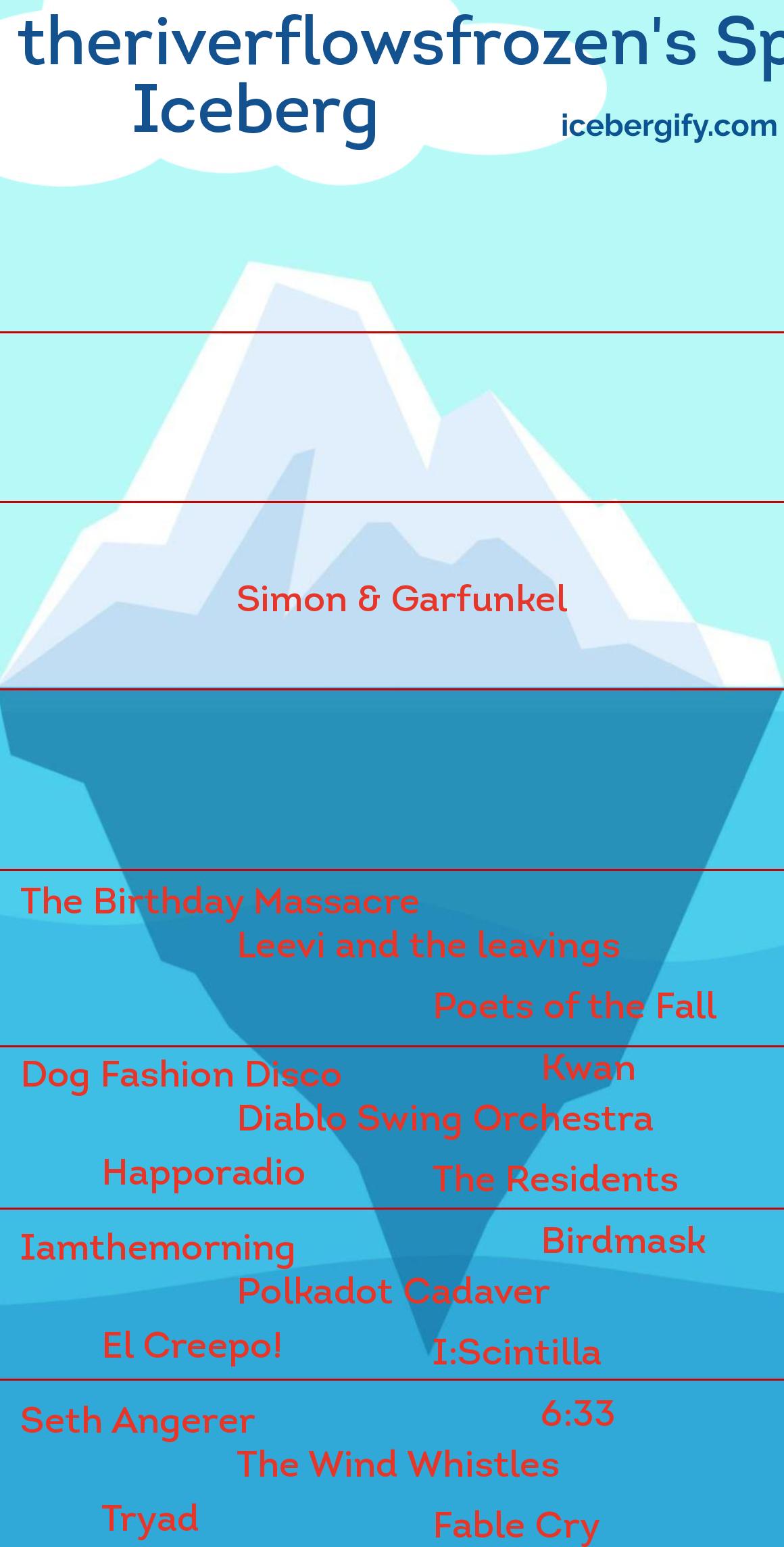
Here’s my iceberg, all-time because I haven’t used Spotify enough lately. Some of the inclusions are strange. For example, I’ve only listened to one song by Kwan like 5 times in total. Oh well, maybe I remember that wrong. Anyway, as you can see, my music taste is pretty obscure.
6 Likes
Hozier’s release of July is so beautiful, an instant new favourite.
2 Likes