I ultimately ended up with 8/11 as well; maybe I’ll go back and try to figure out the two non-blue-door points later.
2 Likes
This may be getting off-topic, but I had fun poking around at ways to brute force unlocking some doors and still getting the point.
The yellow one isn’t too bad because you can just note at least buttons are only flipped by one or two other buttons. Then, after that step, you can repeat the process.
The red one seems the trickiest, since most buttons flip a lot of other buttons. But fortunately some buttons do the exact same thing, so if you assume there’s a solution, you wind up having 2^6 to work through instead of 2^9.
A short python script knocks this out if you’re willing to cut and paste the code and not worry about WHEN you find the right combo. This creates an interesting meta-strategy: is the time saved with brute force worth the lack of accomplishment you feel for figuring it out “right?”
Minor spoilers for which buttons are identical are implied in the code.
here it is
actual_solution = ‘’ # fill in later
my_array = []
for x in ([1, 2, 3, 5, 6, 7]):
my_array = my_array + [x] + my_array
for m in my_array: print(“PRESS”, m)
I was amused by how this lawnmowering strategy–and the proof of why it works–mimicked the Towers of Hanoi without feeling very Towers of Hanoi at all, and also that it is still time-efficient to win within the time limit, since there are 4 doors and this is just 63 moves, as the hardest puzzle.
4 Likes
This is excellent! That’s a very neat little algorithm.
Now that brute force is solved, I’m interested in whether anyone figured out the rules behind the button-flipping for the yellow and red doors. Doing that is the “right” way to figure these things out, if anything is.
3 Likes
I think I only nailed down the non-randomness of the buttons’ effects after I solved the puzzles, and I thought it was cool what you did. It’s always neat to be able to notice just one more thing.
But I don’t want to spoil it publicly (especially since I might be wrong!)–I am glad to wait 24 hours so others have a chance, or they have something fun to think of waiting for the IFComp results.
3 Likes
That is a very neat algorithm!
I don’t recall much about the yellow door but I ended up solving the red door through trying every button, taking exhaustive notes, then looking at the data to figure out the right sequence!
I feel like I can almost see some sort of pattern in the way the numbers are grouped together and what they flip or don’t flip, perhaps something to do with multiplication and/or factors which would naturally leave 5 and 7 as the odd ones out, but my theory doesn’t work for every number and I never figured out the true rule!
(It’s also possible I made a mistake when I wrote things down, though everything worked just as expected for opening the door! Scribbles below for the curious)
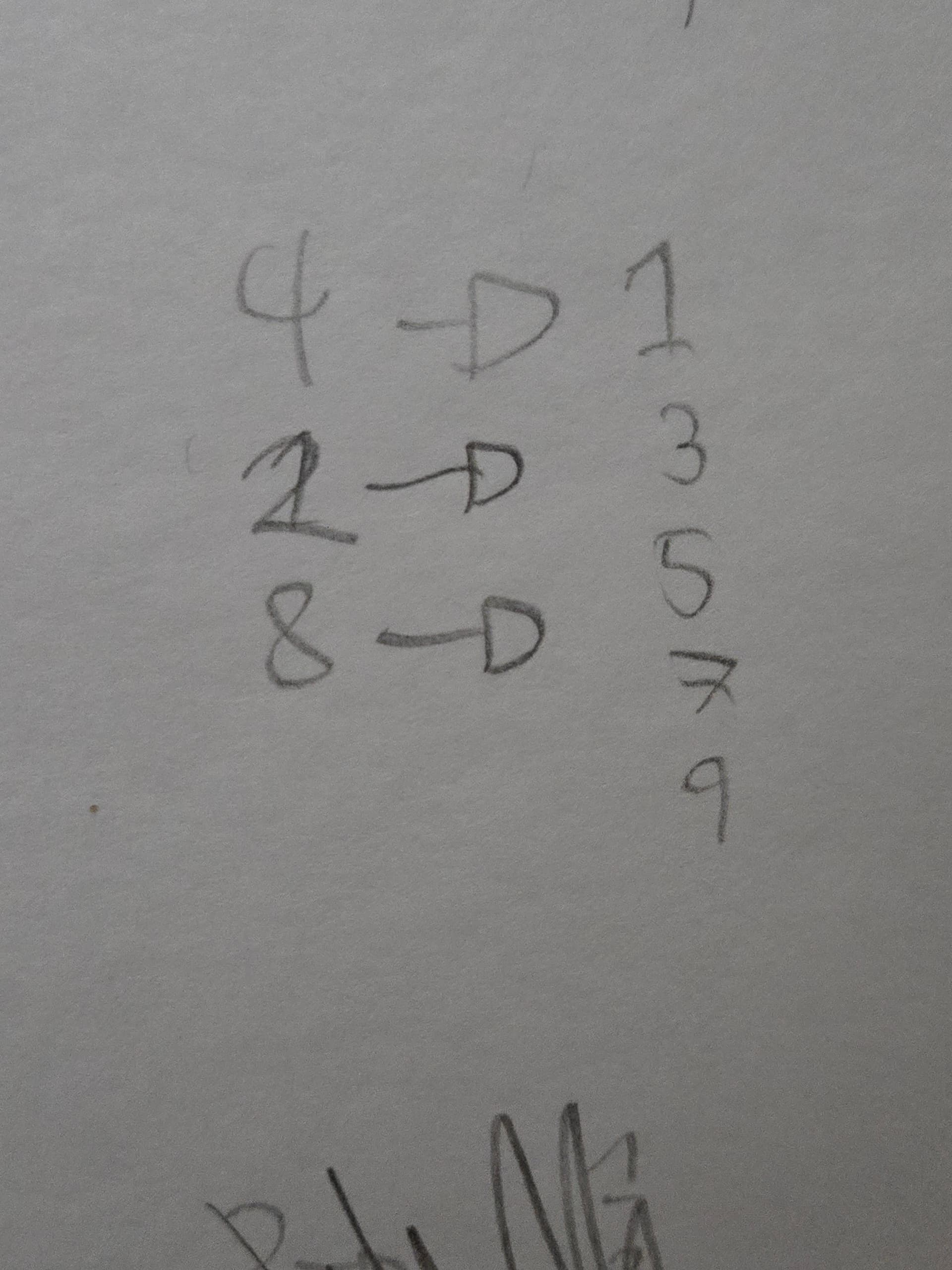
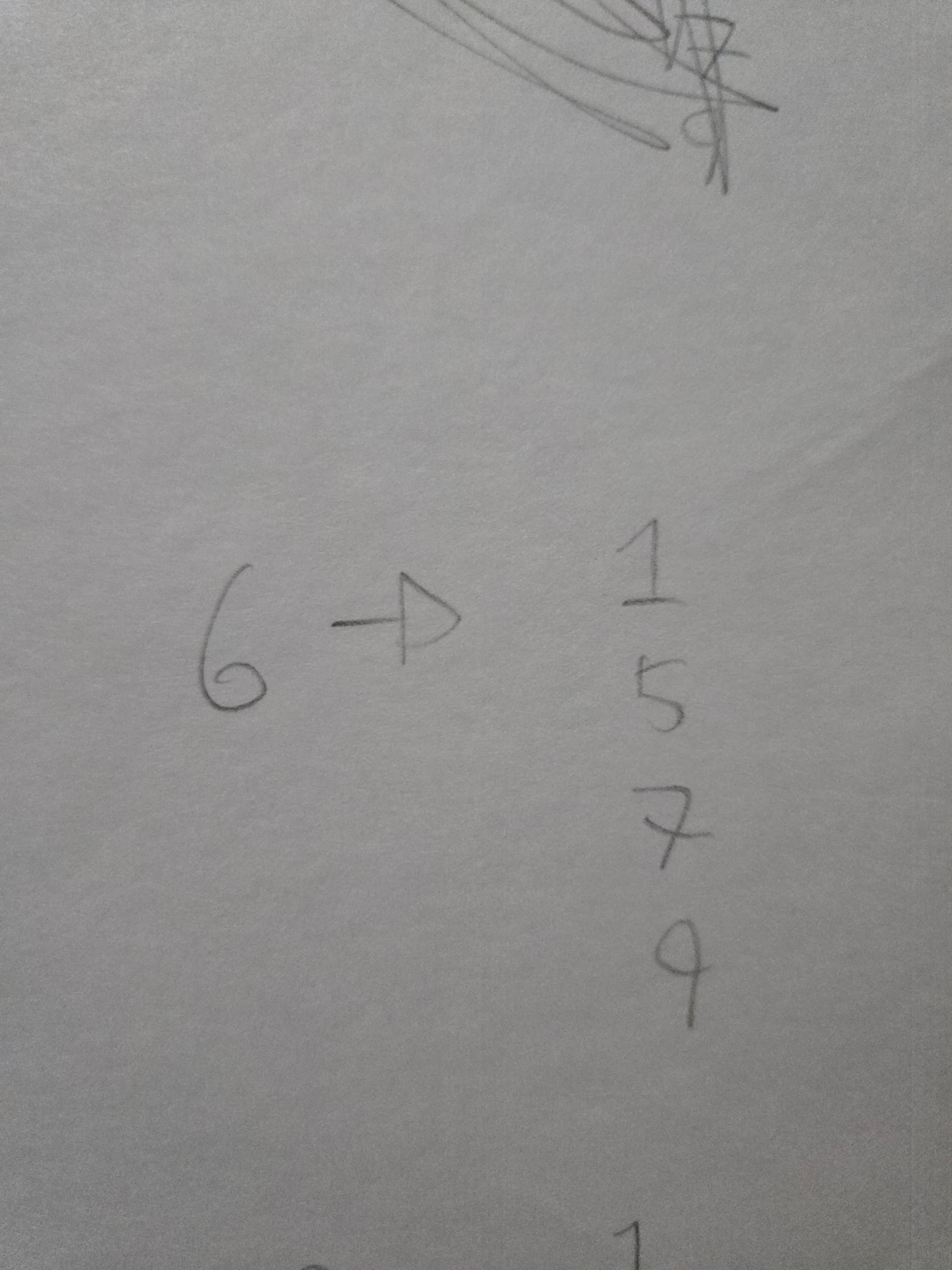
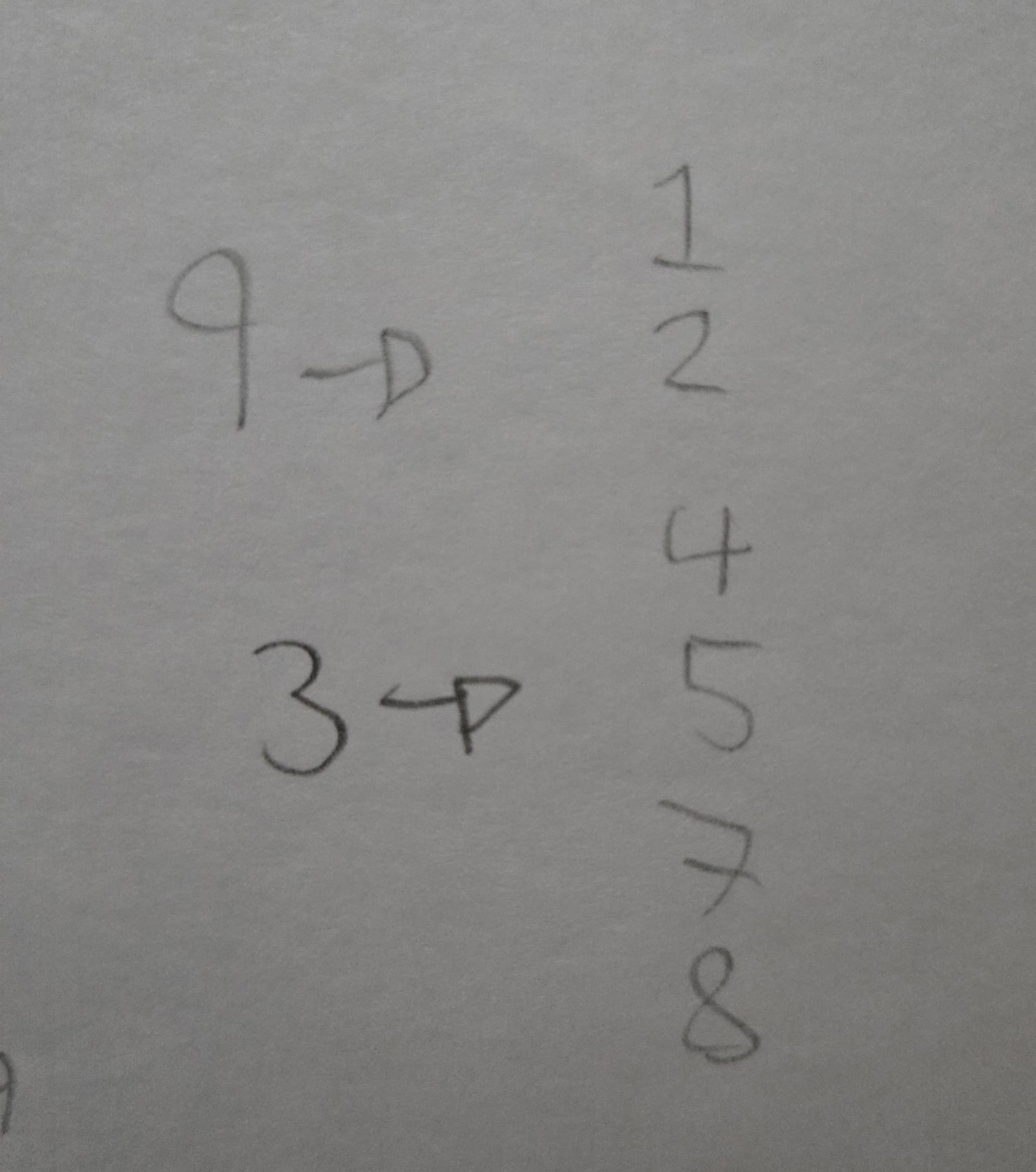
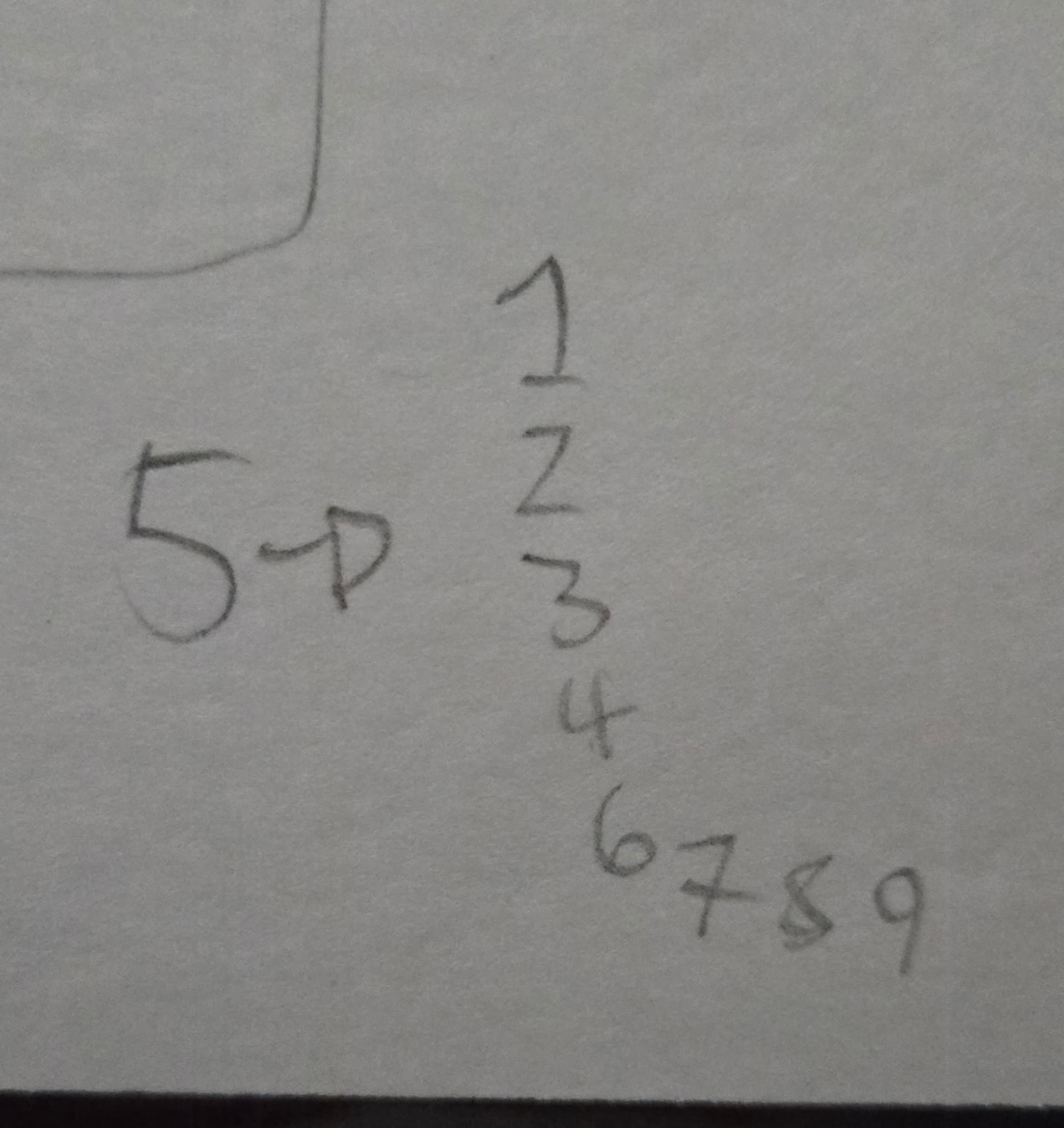
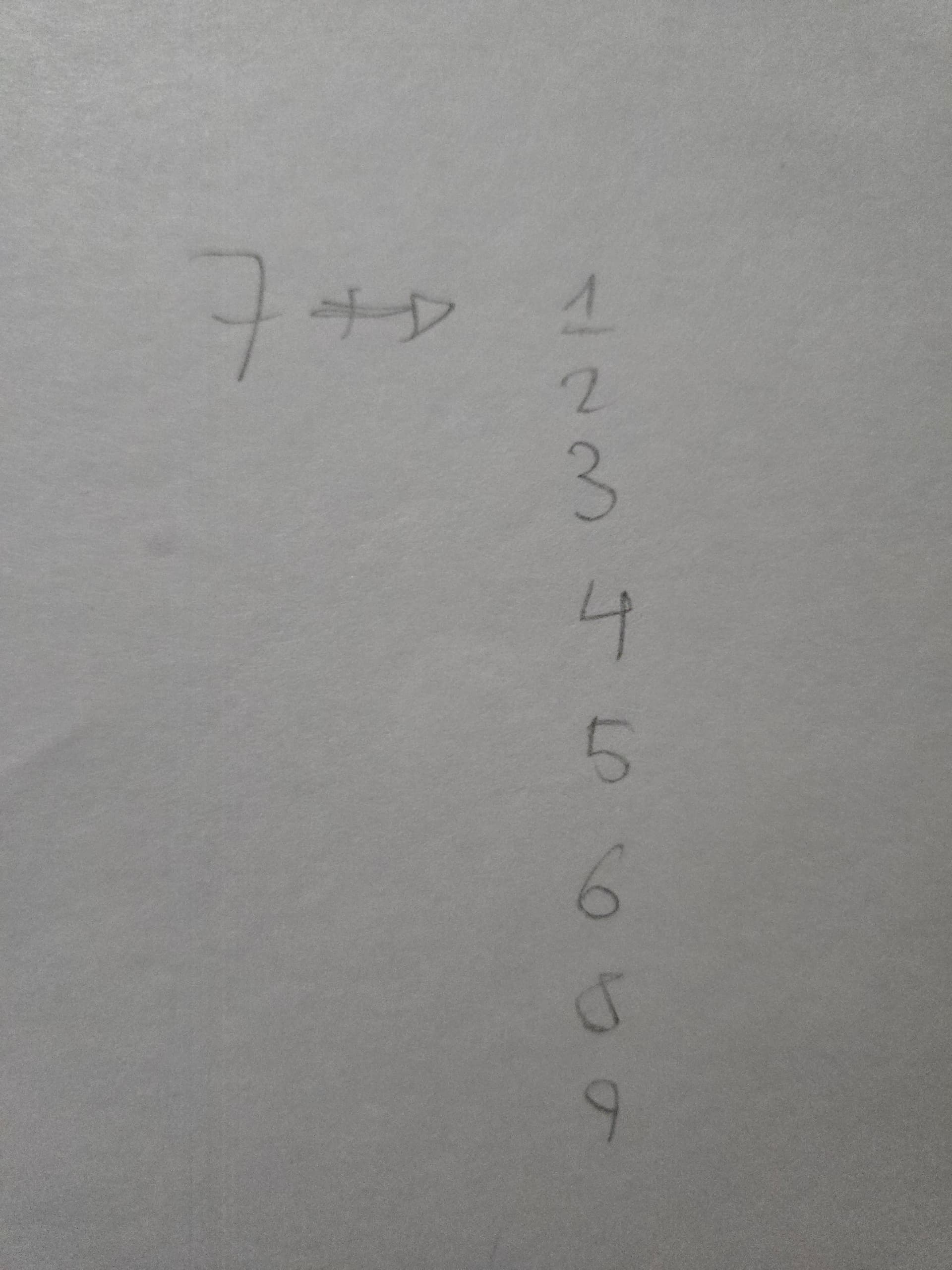
1 Like
yellow
prime numbers flip themself and the next one, others flip their factors
red
flip everything except multiples of their factors
I guess I’m missing something though, because I didn’t feel like either of those helped me solve them: I just fumbled through on paper until I found something that worked. I didn’t notice until after the fact that pushing 1 and all the primes worked and I didn’t care enough to figure out why…
1 Like